



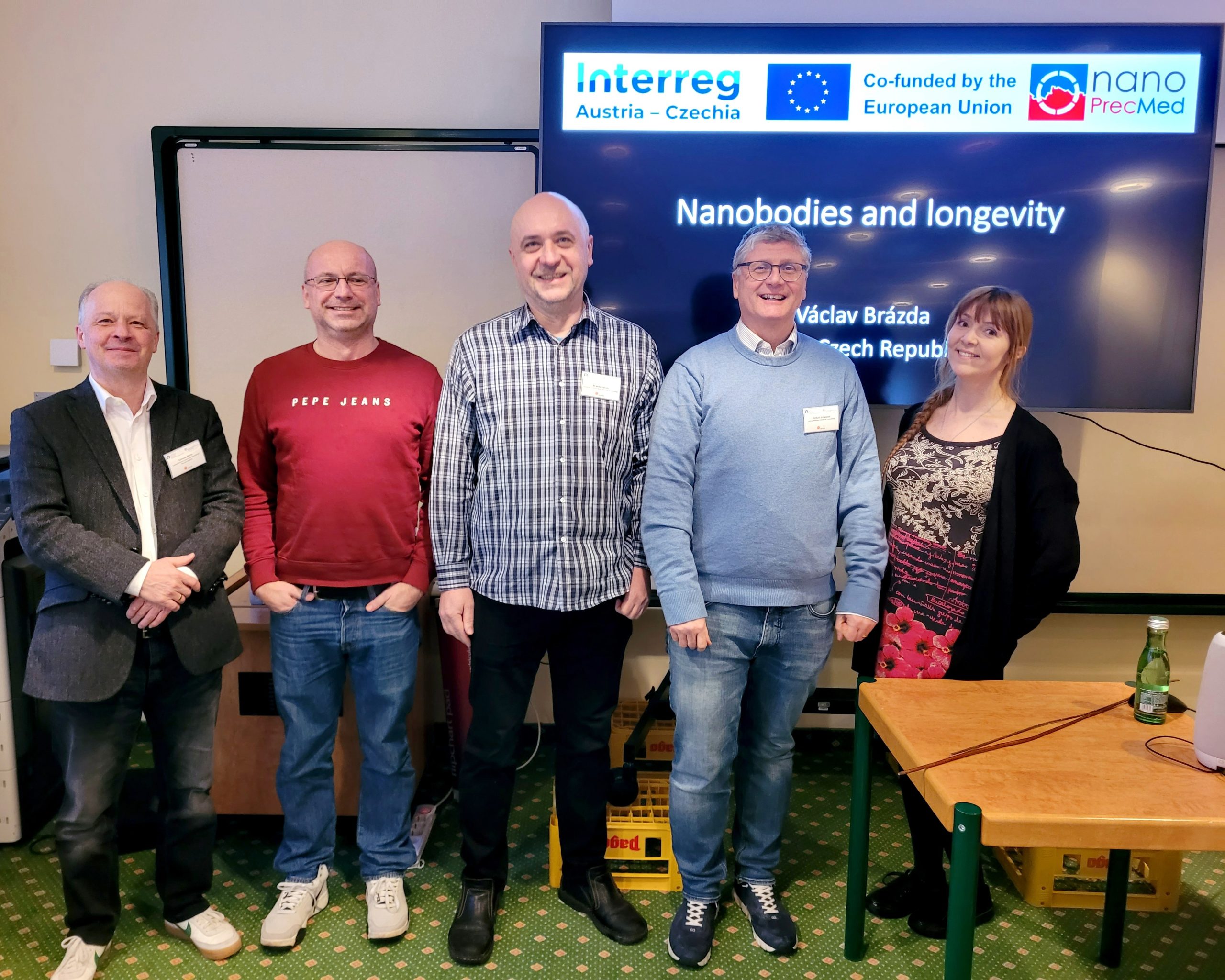
Tiny Structures, Big Discoveries: NanoPrecMed at the TERMIS Winterschool
Tiny structures, big questions. How do molecular structures in our genome influence aging? What can we learn when we look at biology at the nanoscale? And how do discoveries like these eventually make their way from the lab into real-world applications? Read more.

Beyond the regular double helix: Two NanoPrecMed studies reveal new roles for Z-DNA
DNA is usually known for its classic right-handed double helix. But under certain conditions, it can adopt an alternative shape called Z-DNA. This left-handed structure is increasingly linked to gene regulation, chromatin organization, and immune responses. Two recent publications from the NanoPrecMed network put forward important new findings to better understand this unusual DNA. Read more.
First joint publication within the NanoPrecMed consortium: TU Brno and LBI Trauma publish study on G-quadruplex biology
The new year starts on a positive note: with a publication in the renowned journal Genomics, the first direct collaboration between two NanoPrecMed partner institutions goes to print. Researchers from Brno University of Technology and LBI Trauma jointly investigated the distribution and potential regulatory role of G-quadruplexes (G4s) in the genome of Sus scrofa. Read more.
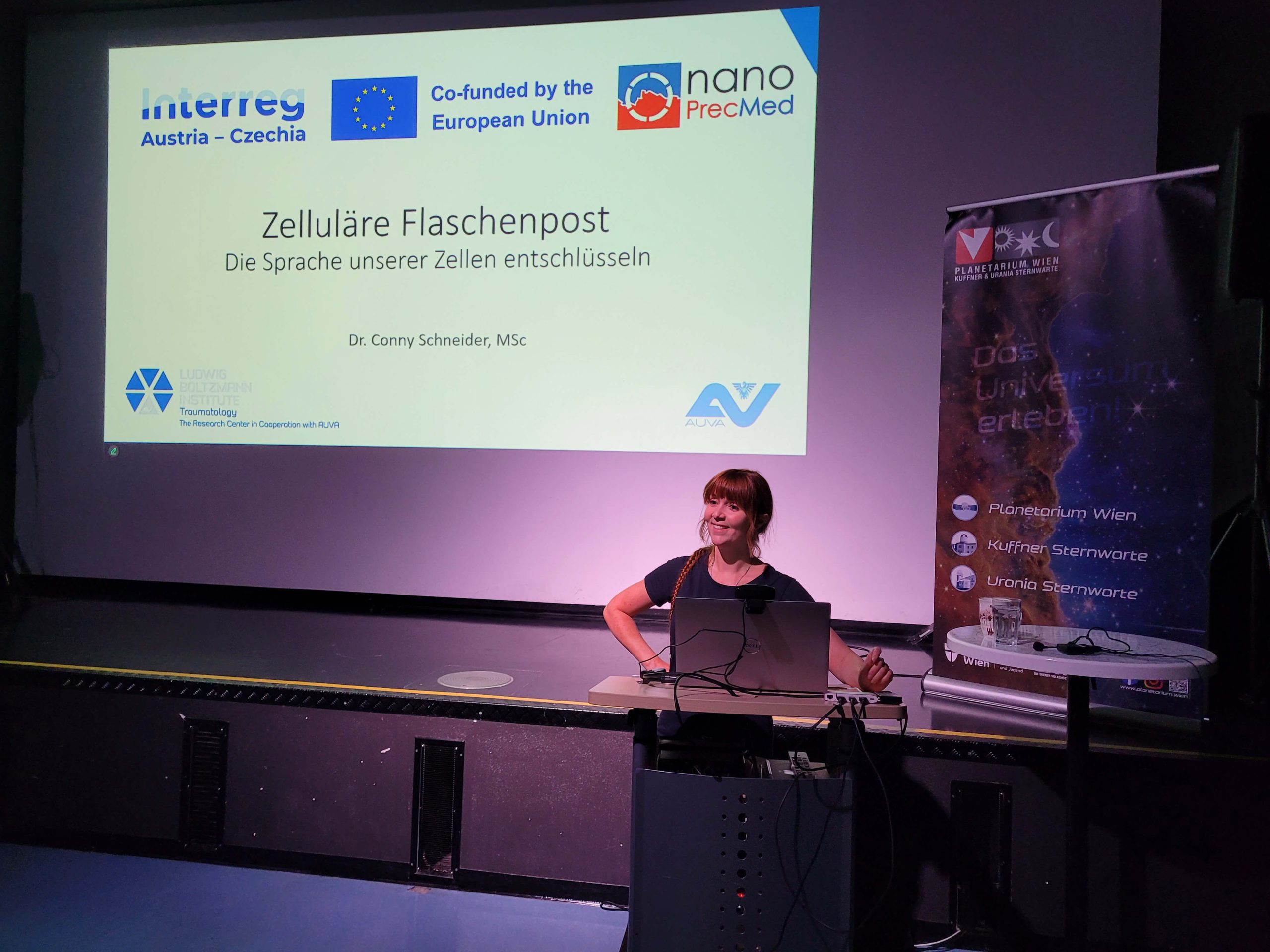
Cellular Messages in a Bottle: NanoPrecMed at the Vienna Planetarium
What can our cells tell us, and how can we decode their language for the medicine of tomorrow? This was the guiding question of Conny Schneider’s (LBI Trauma) talk at the Vienna Planetarium, hosted as part of the Wiener Volkshochschule’s “Science” series. With over 70 attendees, it marked NanoPrecMed’s most visited public event to date. Read more.
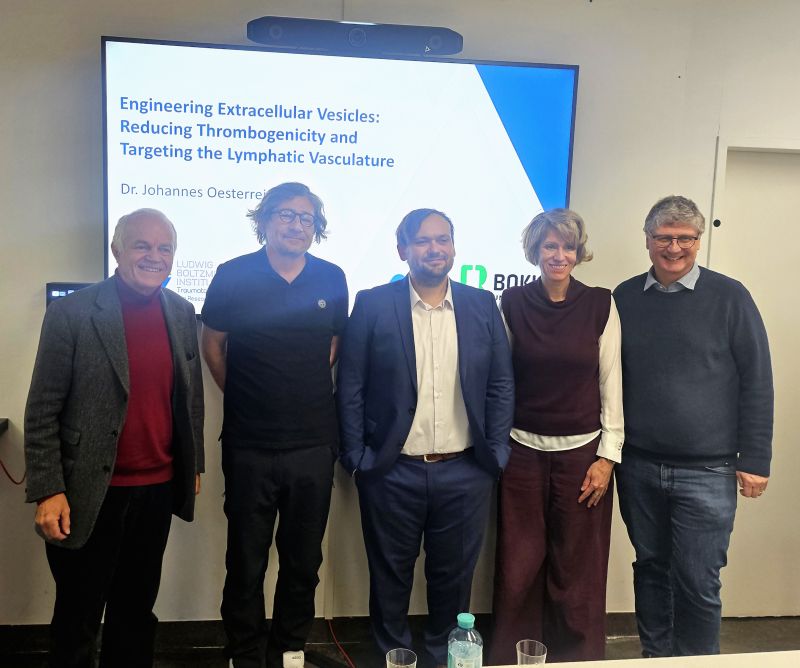
NanoPrecMed celebrates its first PhD graduate: Johannes Oesterreicher
We are proud to congratulate Johannes Oesterreicher on successfully defending his PhD thesis “Engineering Extracellular Vesicles: Reducing Thrombogenicity and Targeting the Lymphatic Vasculature” at the University of Natural Resources and Life Sciences, Vienna (BOKU). Johannes is the first doctoral graduate to emerge from the NanoPrecMed consortium – a moment that brings shared pride across the whole team. Read more.
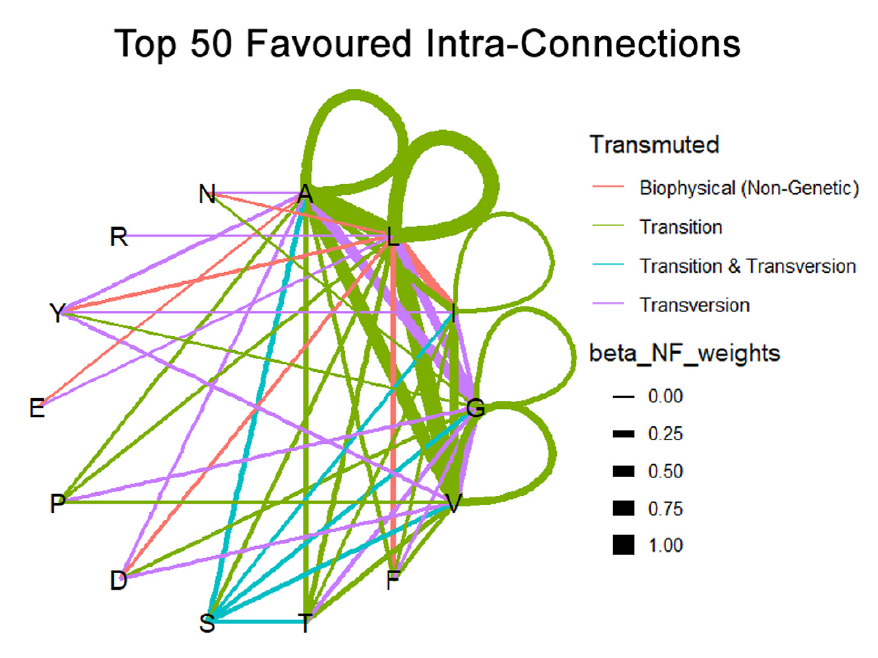
Cracking the Proteomic Code: Can Our Genes Also Tell Proteins How to Fold?
When scientists talk about the genetic code, we usually mean the famous process where DNA is “translated” into proteins, the molecular machines of life. But what if that’s only half the story?
A new study by NanoPrecMed member Andrew Miller and team introduces a bold idea: our genetic code might also contain instructions that help proteins fold into their correct 3D shapes and even determine how they interact with each other. Read more.
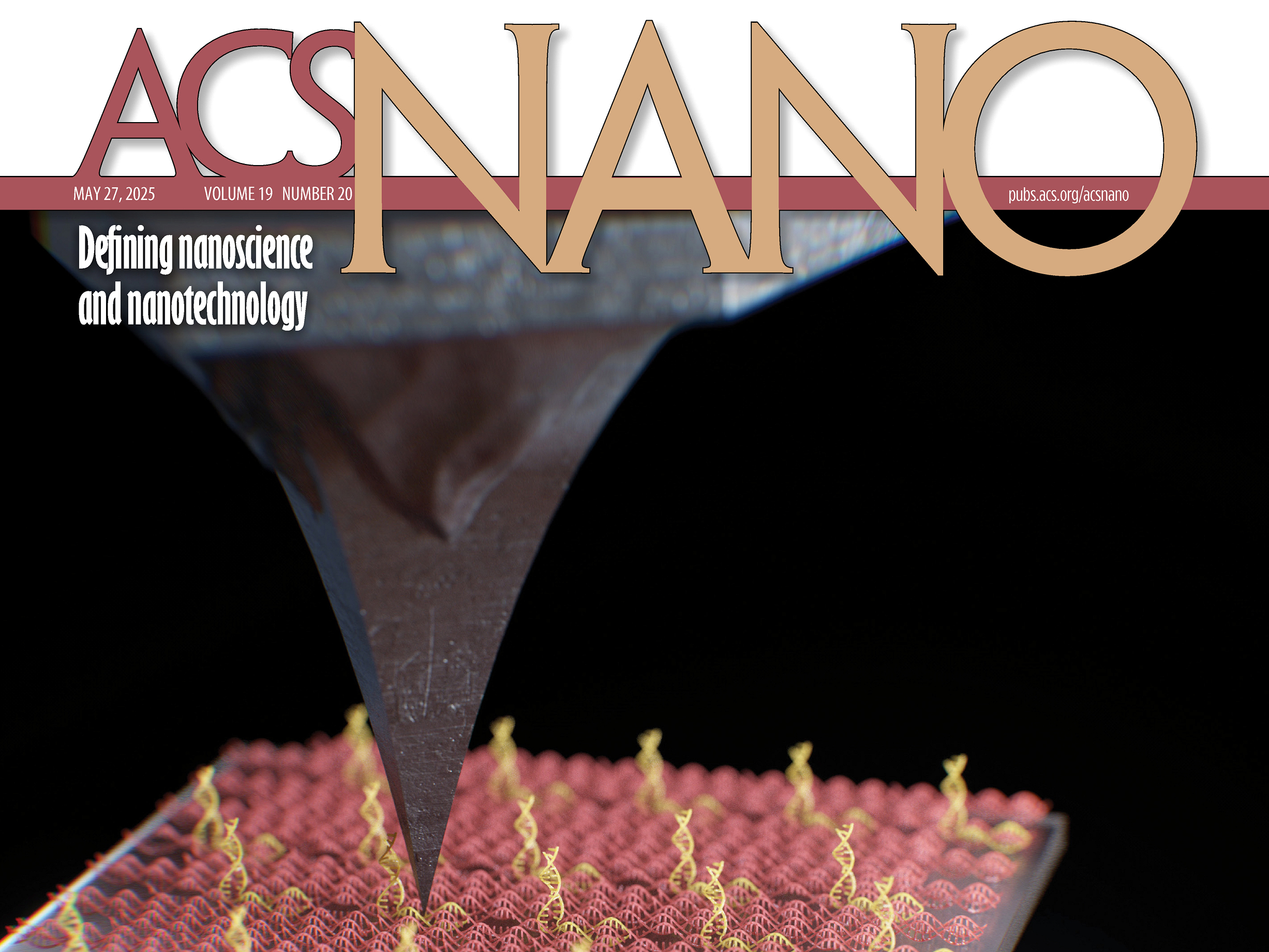
Building with DNA: JKU Researchers Create Functional Nanostructures on a Large Scale
What if we could build surfaces with nanometer precision – using DNA as a construction material? Our NanoPrecMed Consortium partners at Johannes Kepler University (JKU) Linz have taken an exciting step in that direction. In their latest publication, they describe how they created highly organized DNA nanostructure arrays that cover entire surfaces while offering attachment points for functional molecules. Read more.
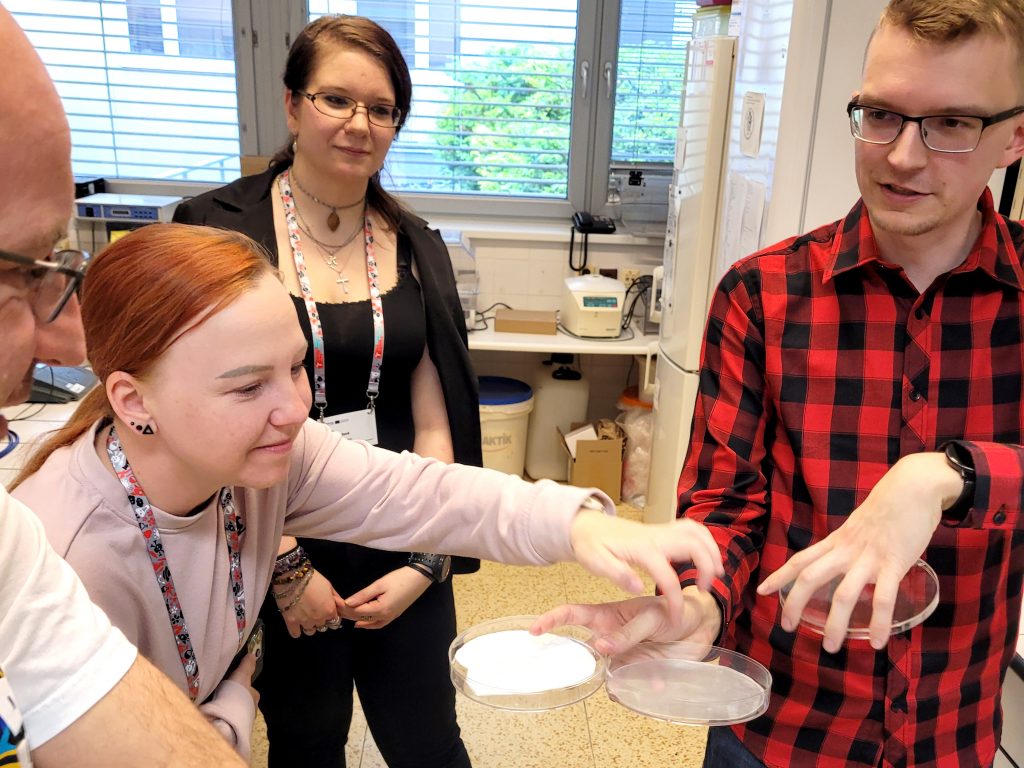
Our “OpenLab” workshop series brought together science, students and industry
In May 2025, our OpenLab Workshop series welcomed 50 participants from academia and industry to experience nanotechnology and precision medicine up close. From Vienna to Linz to Brno, each event showcased the incredible potential of cross-border collaboration within the INTERREG AT-CZ funded NanoPrecMed Consortium, and with it the power of open labs, open minds, and open exchange. Read more.
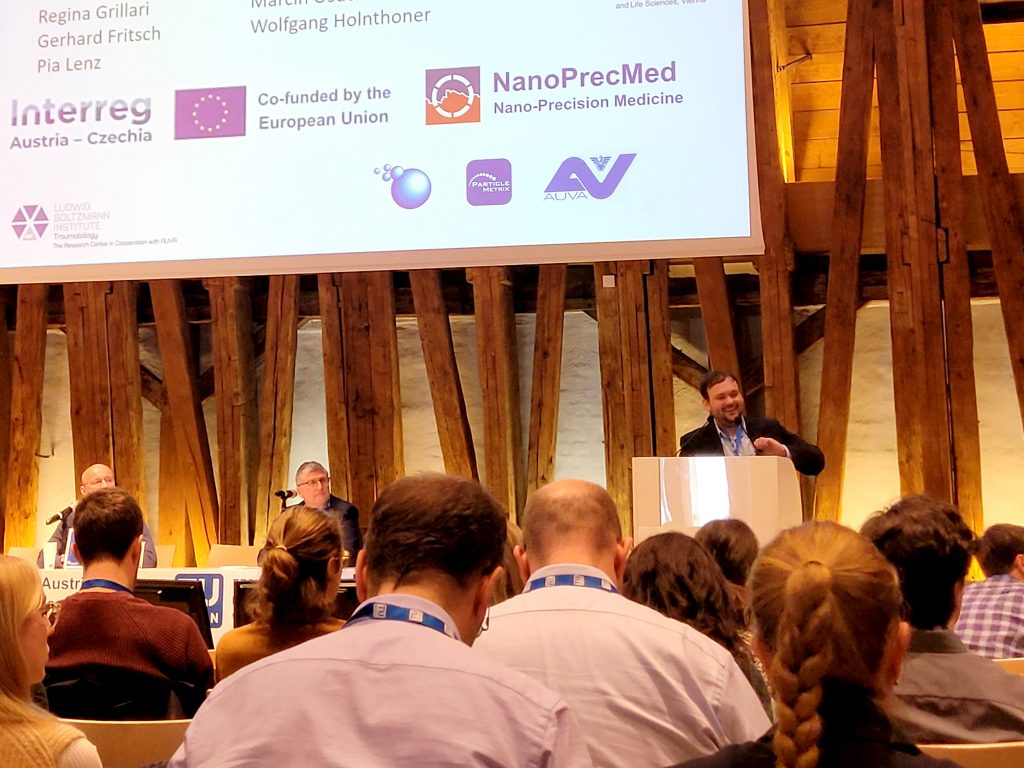
Breaking New Ground in Extracellular Vesicle Safety: Johannes Oesterreicher Wins Young Investigator Award
Johannes Oesterreicher from LBI Trauma has been awarded the Young Investigator Award at the 19th Annual Meeting of the Austrian Cluster for Tissue Regeneration at TU Vienna. His exceptional presentation was recognized for its innovative approach to overcoming a major safety concern in extracellular vesicle (EV) research. Read more.
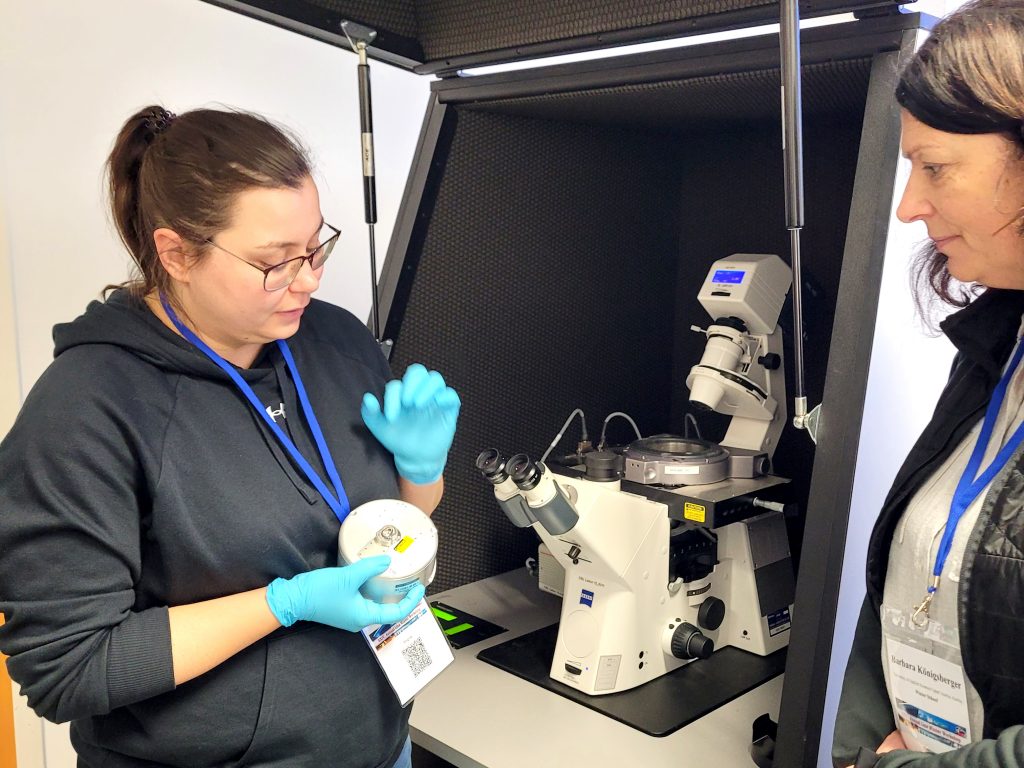
Unlocking the Power of Atomic Force Microscopy: A Look Inside the Linz Winterschool
In the world of nanotechnology, where scientists explore and manipulate materials on an atomic level, few techniques offer as much precision and versatility as Atomic Force Microscopy (AFM). Despite its vast potential, AFM remains a tool that many researchers – especially those early in their careers – have little hands-on experience with. This is where the Linz Winterschool comes in. Read more.
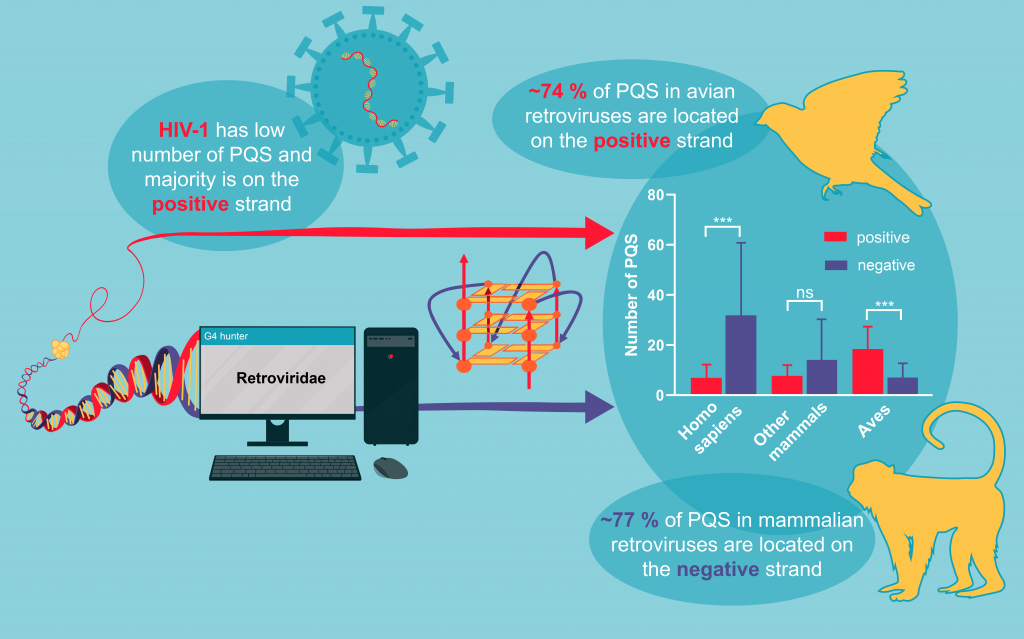
NanoPrecMed Consortium Celebrates Its First Publication: Exploring G-Quadruplexes in Retroviral Genomes
We are delighted to announce the very first publication from our newly formed NanoPrecMed Consortium! Dr. Václav Brázda and his team at the Faculty of Chemistry, Brno University of Technology, have made an exciting discovery about how certain structures called G-quadruplexes (G4) appear in retroviral genomes. Read more.